
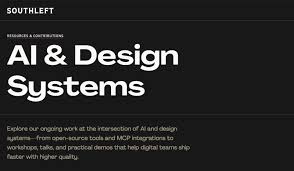
TJ Pitre – AI & Design Systems
Artificial Intelligence is no longer a futuristic concept in product design—it is the backbone of modern digital experiences. From automated layouts to intelligent component libraries, AI is reshaping how teams build and scale products. At the center of this evolution stands TJ Pitre – AI & Design Systems, a powerful framework that bridges design consistency with machine intelligence.
In this in-depth guide, we’ll explore what makes this system impactful, its features, practical applications, installation insights, tutorials, and whether you should look for a free download or the latest version online. If you’re a designer, developer, or digital entrepreneur, this comprehensive review will help you understand how to leverage AI-powered design systems effectively.
What Is TJ Pitre – AI & Design Systems?
TJ Pitre – AI & Design Systems is a modern approach to integrating artificial intelligence into structured design systems. It combines reusable UI components, scalable architecture, and AI-driven automation to enhance speed, consistency, and innovation in digital product development.
Design systems traditionally include:
UI components
Typography rules
Color palettes
Spacing guidelines
Accessibility standards
When AI is integrated into this framework, it enables:
Smart layout generation
Automated design suggestions
Predictive user experience improvements
Real-time design validation
This combination transforms static design documentation into a dynamic, evolving ecosystem.
Why AI + Design Systems Matter Today
1. Speed and Efficiency
AI reduces repetitive tasks like resizing assets, checking accessibility compliance, and generating component variants. This allows designers to focus on creative strategy instead of manual labor.
2. Consistency Across Teams
Large teams often struggle with design drift. AI-powered systems analyze usage patterns and enforce consistency automatically.
3. Data-Driven Design Decisions
AI evaluates user behavior and suggests improvements to layouts, color contrast, or interaction patterns based on real data.
Core Features of TJ Pitre – AI & Design Systems
Here are the standout features that make this system highly effective:
🔹 Intelligent Component Generation
AI suggests new components based on user flows and previous designs.
🔹 Automated Accessibility Checks
Real-time WCAG compliance monitoring ensures inclusive design.
🔹 Smart Layout Optimization
AI analyzes engagement metrics and recommends layout adjustments.
🔹 Version Control & Scalability
Seamless integration with versioning systems for large-scale product teams.
🔹 Cross-Platform Compatibility
Works across web, mobile, and enterprise applications.
🔹 Predictive UX Insights
Machine learning models anticipate friction points in user journeys.
How It Works: Behind the System
The framework operates on three foundational layers:
1. Foundation Layer
Tokens (color, spacing, typography)
Accessibility rules
Brand guidelines
2. Component Layer
Buttons
Forms
Navigation bars
Modals
Cards
3. Intelligence Layer
AI analytics engine
Behavior tracking
Pattern recognition
Automated optimization suggestions
This layered structure ensures both stability and adaptability.
Installation & Setup Guide
If you’re looking to install or integrate the system into your workflow, follow these steps:
Step 1: Download the Latest Version
Ensure you’re accessing the latest version from a legitimate source. Avoid searching for crack versions, as they can compromise security and violate licensing agreements.
Step 2: Install Dependencies
Most AI design frameworks integrate with:
Figma
Adobe XD
Sketch
React-based development environments
Step 3: Configure Design Tokens
Set up:
Brand colors
Typography
Spacing scales
Component libraries
Step 4: Connect AI Engine
Enable machine learning modules to start analyzing user behavior and design patterns.
Is There a Free Version Available?
Many professionals search for:
TJ Pitre – AI & Design Systems free download
AI & Design Systems by TJ Pitre online access
Latest version tutorial
Crack or unlocked version
While free resources or demo tutorials may exist, always prioritize official and secure access methods. Free versions may offer limited features, while paid plans typically unlock advanced AI analytics, automation tools, and enterprise-grade integrations.
Practical Use Cases
1. Startup Product Development
Early-stage startups can use AI-assisted design systems to:
Rapidly prototype
Maintain consistency
Reduce design costs
2. Enterprise Scaling
Large organizations benefit from:
Centralized governance
Design audit automation
Cross-team synchronization
3. E-commerce Optimization
AI helps:
Improve conversion-focused layouts
Optimize checkout flows
Personalize user experiences
4. SaaS Platforms
Continuous AI analysis enhances:
Onboarding experiences
Dashboard usability
Feature discoverability
Benefits Over Traditional Design Systems
| Traditional Systems | AI-Integrated Systems |
|---|---|
| Manual updates | Automated updates |
| Static documentation | Dynamic optimization |
| Designer-driven | Data + AI-driven |
| Reactive fixes | Predictive improvements |
This evolution makes modern design systems far more intelligent and adaptive.
Full Review: Strengths & Limitations
Strengths
High scalability
Automation reduces workload
Data-backed design improvements
Strong cross-team collaboration
Faster product iteration cycles
Limitations
Requires initial setup time
Learning curve for AI integration
Dependency on accurate data inputs
Overall, this approach significantly enhances productivity and strategic design thinking.
Tutorial: Getting Started Quickly
If you’re new to AI-driven design systems, follow this beginner-friendly roadmap:
1: Foundations
Learn design tokens
Understand component architecture
2: AI Integration
Explore predictive UX models
Configure automation rules
3: Optimization
Analyze performance insights
Refine components based on AI suggestions
This structured tutorial approach ensures a smooth onboarding process.
Security & Ethical Considerations
AI systems require:
Secure data handling
Transparent algorithms
Bias monitoring
Compliance with data regulations
Never rely on unauthorized crack downloads, as they may introduce vulnerabilities or legal risks.
Future of AI & Design Systems
The next phase of innovation includes:
Fully generative UI systems
Voice-assisted design workflows
Real-time user personalization
AI-driven A/B testing automation
As AI models become more advanced, design systems will evolve from support tools into autonomous creative partners.
FAQs
What is TJ Pitre – AI & Design Systems used for?
It is used to integrate artificial intelligence into structured design systems, helping teams automate, optimize, and scale digital product design efficiently.
Is TJ Pitre – AI & Design Systems available for free download?
There may be limited demo versions or tutorials available online, but full-featured versions usually require proper licensing. Avoid searching for crack versions.
How do I install the latest version of TJ Pitre – AI & Design Systems?
Download from an official source, install required design tool integrations, configure tokens, and activate the AI modules.
Is there an online tutorial for TJ Pitre – AI & Design Systems?
Yes, tutorials typically cover foundational setup, AI integration, optimization workflows, and best practices for scaling teams.
What are the key features of TJ Pitre – AI & Design Systems?
Key features include intelligent component generation, automated accessibility checks, predictive UX insights, and scalable architecture.
Who should use TJ Pitre – AI & Design Systems?
Product designers, UX researchers, frontend developers, SaaS founders, startups, and enterprise teams can all benefit.
Final Thoughts
The integration of artificial intelligence into structured design frameworks is transforming digital product creation. TJ Pitre – AI & Design Systems represents a shift from static documentation to intelligent ecosystems that continuously improve user experience.
By combining automation, predictive analytics, and scalable architecture, teams can reduce repetitive work, enhance collaboration, and make smarter design decisions. Whether you’re looking for a tutorial, exploring features, or considering the latest version, adopting AI-driven design systems is no longer optional—it’s a competitive advantage.
If leveraged correctly, this approach can dramatically improve product consistency, efficiency, and innovation across industries.




Reviews
There are no reviews yet.