
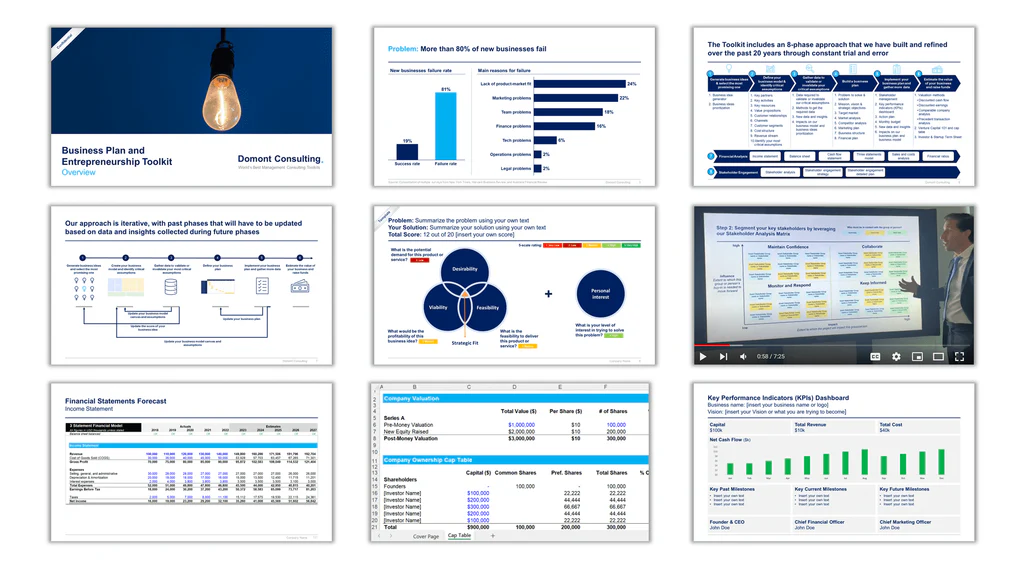
Aurelien Domont Consulting – Business Plan and Entrepreneurship Toolkit
Aurelien Domont Consulting – Business Plan and Entrepreneurship Toolkit
This extensive guide explores each element of a strong entrepreneurial foundation and shows how the right tools can transform ideas into scalable businesses.
1. Understanding the Role of a Modern Business Plan
A business plan remains one of the most essential documents for any venture. While markets have evolved, the purpose of the plan has not changed: entrepreneurs need direction, investors demand clarity, and teams require structure. A business plan functions as a roadmap that outlines where the company aims to go and how it will reach those objectives.
Unlike many traditional documents filled with vague predictions, a contemporary business plan focuses on practicality, agility, and measurable outcomes. Entrepreneurs today must rely on accurate data, competitor insights, and realistic financial projections. With the help of a sophisticated toolkit, the process becomes more efficient, enabling founders to craft documents that reflect both vision and strategic discipline.
2. Laying the Foundation: Vision, Mission, and Core Principles
2.1 Defining Your Vision
successful busiEvery ness begins with a clear and powerful long-term vision. This statement should express the future impact of the company and the transformational change the founder intends to create. A strong vision guides decisions, inspires teams, and attracts partners who believe in the mission.
2.2 Crafting a Meaningful Mission Statement
The mission defines how the company will fulfil its vision through day-to-day activities. It should explain who the business serves, what solutions it provides, and how it creates value. A precise mission allows stakeholders to understand the organisation’s purpose and direction.
2.3 Establishing Core Values
Values influence behaviour, customer experience, partnerships, and company culture. They shape the decision-making process and determine how the brand will be perceived in the marketplace. When these values align with the business plan, entrepreneurs build a foundation that supports long-term credibility.
3. Mastering Market Research and Competitive Analysis
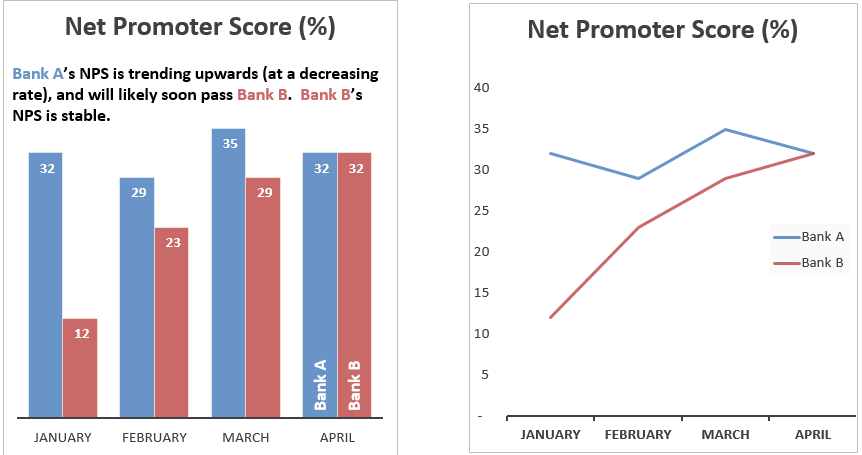
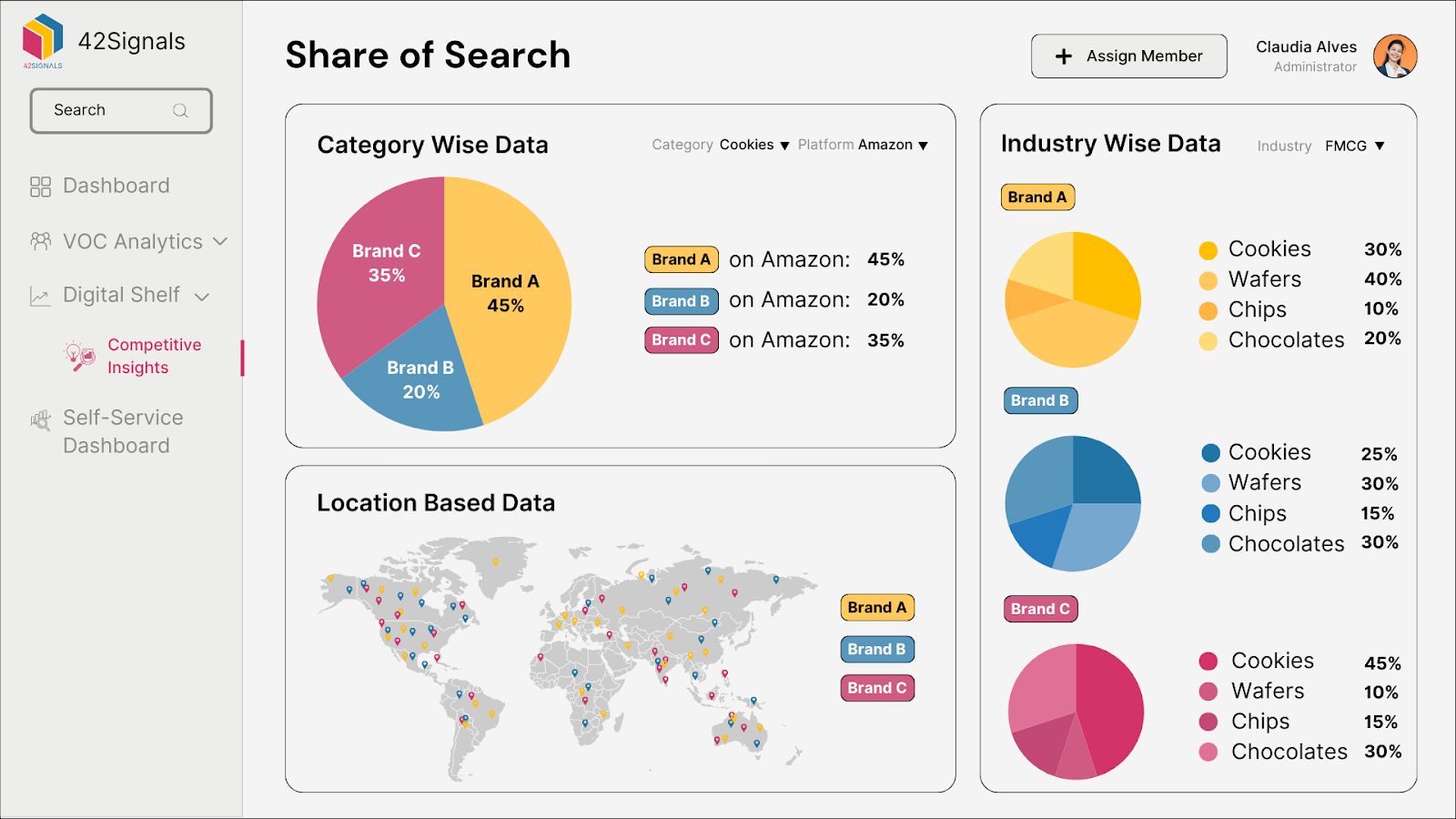

Market research forms the backbone of any strong business plan. Entrepreneurs who invest time in gathering insights gain advantages that help them avoid costly mistakes. Understanding the market allows founders to identify opportunities, uncover threats, and determine whether there is real demand for their product or service.
3.1 Target Audience Identification
Entrepreneurs must know exactly who they intend to serve. Customer segmentation involves analysing demographic data, behavioural patterns, emotional triggers, and purchase motivations. These insights influence marketing strategies, product design, pricing, and brand messaging.
3.2 Industry and Trend Evaluation
Markets evolve rapidly, and entrepreneurs should stay informed about industry trends, economic shifts, technological advancements, and competitor innovations. A good entrepreneurship toolkit provides templates, checklists, and analytical frameworks that simplify this research.
3.3 SWOT and Competitive Mapping
A thorough competitive analysis highlights strengths, weaknesses, opportunities, and threats. Understanding what competitors do well helps entrepreneurs refine their own strategies, while identifying market gaps reveals untapped potential. A structured toolkit ensures this research is accurate and actionable.
4. Building a Strong Business Model
A business model explains how the company generates revenue, delivers value, and maintains profitability. Without a clear and sustainable model, even the most creative ideas struggle to enter the market.
4.1 Value Proposition Development
The value proposition should answer a single question: Why should customers choose this solution instead of another? Entrepreneurs must focus on the specific problems they solve and demonstrate measurable benefits that distinguish their offering.
4.2 Revenue Streams and Pricing Strategies
A strong business model identifies every potential revenue source. Whether the business focuses on recurring subscriptions, direct sales, licensing, or bundled services, the structure must feel intuitive to customers and profitable for the company.
4.3 Cost Structure and Operational Planning
Understanding operational costs is essential for maintaining financial stability. This includes production, staffing, logistics, technology, and marketing expenses. Entrepreneurs must estimate these carefully and compare them with anticipated revenue to ensure the business model is viable.
5. Financial Planning and Projection Techniques
Investors pay close attention to financial projections, but they also hold immense value for entrepreneurs. Clear financial planning reduces risk, improves decision-making, and supports sustainable growth.
5.1 Startup Costs and Break-Even Analysis
Calculating startup costs allows founders to understand their financial requirements before launching. The break-even analysis identifies the point at which the business begins generating profit, helping entrepreneurs set realistic timelines and goals.
5.2 Profit and Loss Forecasting
Profit and loss forecasting helps entrepreneurs predict monthly and annual performance. These projections should be rooted in real data rather than ambitious assumptions. When paired with a robust toolkit, even new founders can create precise forecasts.
5.3 Cash Flow Management
Cash flow determines whether the business can survive during challenging periods. Positive cash flow allows companies to invest in growth, hire new talent, and scale operations. Tools and templates make it easier to map expenses, monitor volatility, and avoid liquidity problems.
6. Brand Identity and Marketing Strategy Development
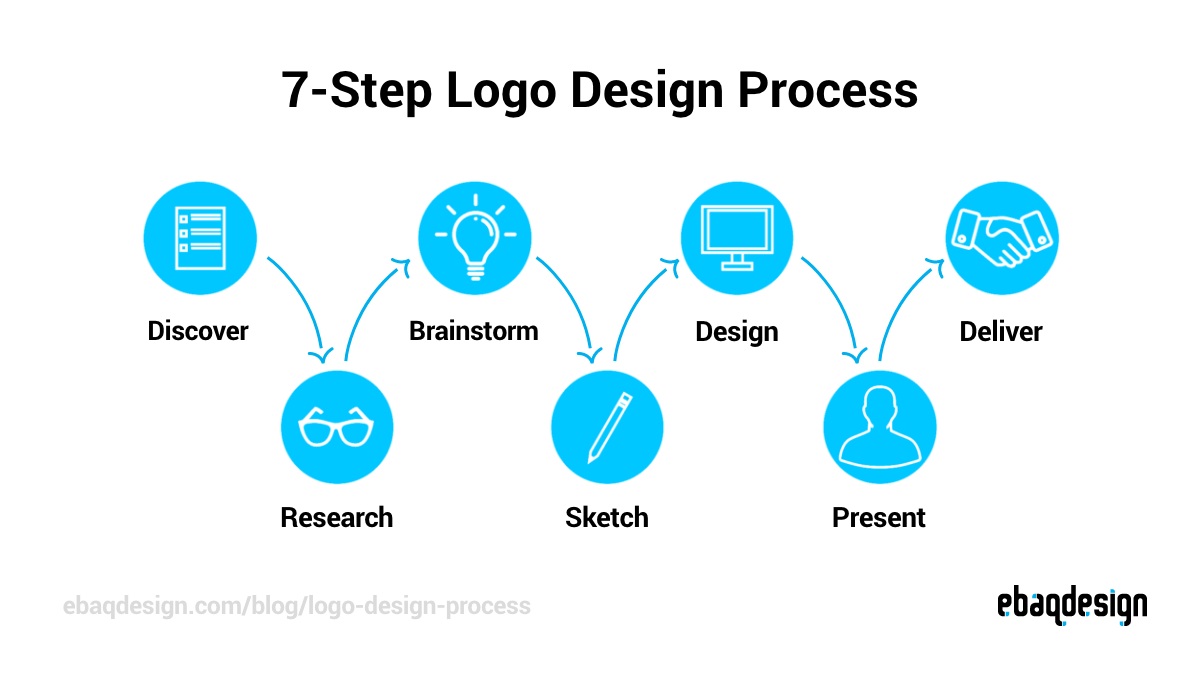

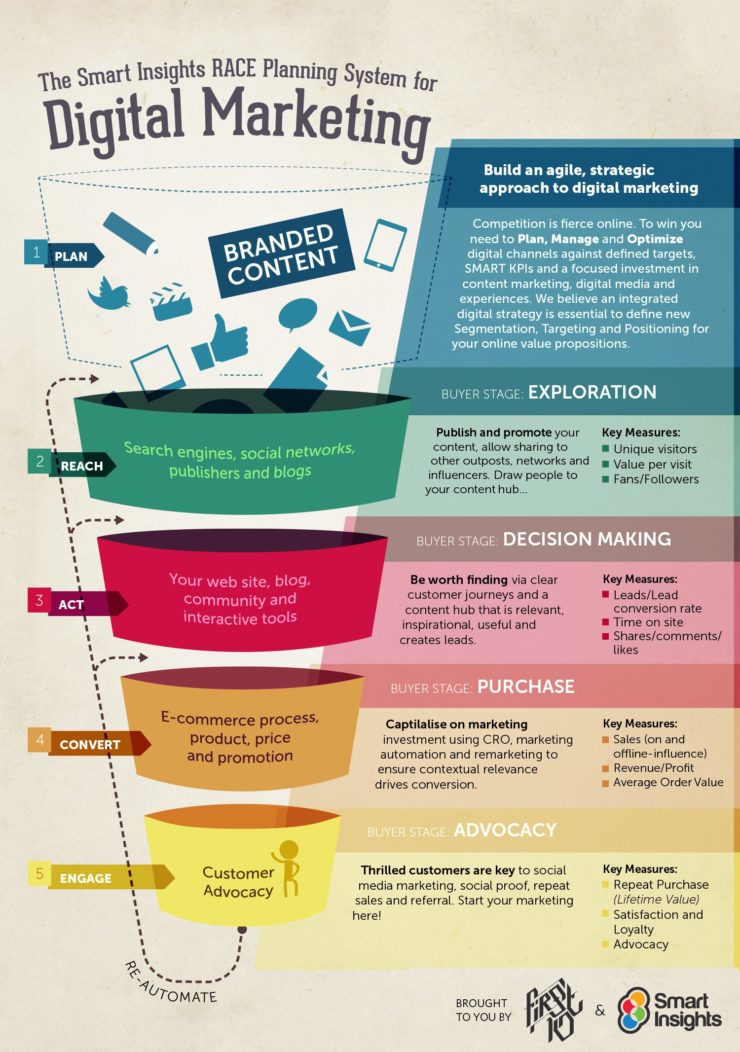
A business cannot succeed without strong branding and a clear marketing plan. Brand identity shapes customer perception, while marketing ensures the right audience learns about the solutions available.
6.1 Building a Distinct Brand Identity
Brand identity goes beyond a logo or colour palette. It includes the tone of voice, storytelling approach, emotional messaging, and personality of the business. Entrepreneurs must cultivate consistency across all platforms to build recognition and trust.
6.2 Strategic Marketing Planning
A marketing strategy should combine digital and offline methods, including content creation, social media campaigns, search engine optimisation, partnerships, and customer engagement. Entrepreneurs who plan their campaigns in advance gain stronger visibility and generate higher conversions.
6.3 Sales Strategy and Customer Experience
Sales performance improves when entrepreneurs deliver personalised experiences. Mapping the customer journey helps companies identify friction points, improve communication, and optimise touchpoints. A great toolkit includes templates for customer journey mapping, helping founders implement effective improvements.
7. Leadership, Execution, and Operational Excellence
Even the best business plans fail when entrepreneurs struggle with execution. Strong leadership, clear communication, and effective operations are crucial for long-term success.
7.1 Team Structure and Talent Management
A well-structured team accelerates business growth. Entrepreneurs must identify the skills required for each phase of development, recruit effectively, and establish a productive work culture.
7.2 Project Management and Accountability
Execution depends on disciplined project management. Milestones, timelines, roles, and progress tracking tools help entrepreneurs maintain momentum. Accountability systems ensure that each task aligns with the company’s goals.
7.3 Risk Assessment and Contingency Planning
Challenges are inevitable, but proactive planning reduces impact. Entrepreneurs must evaluate potential risks—financial, operational, technological, and market-based—and design contingency strategies to navigate them confidently.
8. Scaling a Business with Strategic Growth Frameworks
Once a business gains traction, the focus shifts from survival to expansion. Scaling requires vision, planning, and a deep understanding of market demand.
8.1 Product Expansion and Diversification
Businesses should expand only when existing offerings are stable. Strategically introducing complementary products or services helps companies reach wider audiences without diluting their focus.
8.2 Market Expansion Strategies
Growth often involves entering new regions, targeting different customer segments, or exploring international markets. Each expansion requires research, testing, and adaptation to local preferences.
8.3 Long-Term Innovation and Sustainability
Sustainable businesses innovate continuously. Whether through technology adoption, customer feedback loops, or operational improvements, innovation ensures the company remains competitive and forward-thinking.
Conclusion
Entrepreneurship thrives on clarity, structure, and strategic thinking. A strong business plan acts as the foundation, while the right tools help transform conceptual ideas into practical success. By understanding markets, defining a powerful brand identity, mastering financial planning, building strong operations, and adopting a growth-driven mindset, entrepreneurs can create profitable and sustainable ventures. With dedication and well-organised strategies, any founder can navigate challenges and build a business that stands the test of time.





Reviews
There are no reviews yet.