
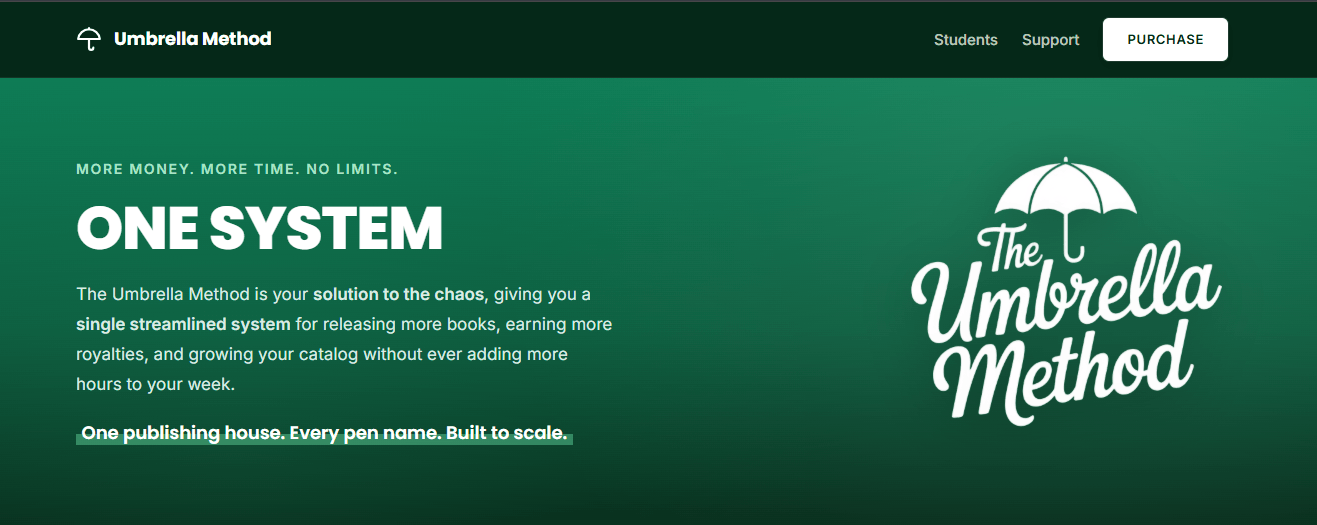
The Umbrella Method – One Publishing House Review and Complete Overview
The publishing industry has undergone a massive transformation over the past decade. Traditional publishing models are no longer the only path for creators, and digital platforms have opened entirely new opportunities for authors, educators, entrepreneurs, and content creators. In this evolving landscape, scalable publishing systems and brand-driven content strategies are becoming increasingly valuable. This is where The Umbrella Method – One Publishing House stands out as a modern approach to building sustainable publishing ecosystems.
Instead of focusing on isolated books or single projects, this framework emphasizes the creation of interconnected publishing assets under one scalable brand structure. The idea behind the “umbrella” concept is to unify multiple forms of content, intellectual property, educational materials, and digital products into a cohesive publishing system capable of generating long-term visibility and audience growth.
For authors, creators, educators, coaches, and entrepreneurs, understanding how to build a publishing infrastructure rather than simply releasing individual products can create significant long-term advantages in the digital economy.
What Is a Modern Publishing System?
Modern publishing is no longer limited to physical books or traditional publishing houses. Today’s digital publishing ecosystem includes:
- eBooks
- Audiobooks
- Online courses
- Membership platforms
- Newsletters
- Digital communities
- Educational content
- Video publishing
- Brand-driven media assets
- Intellectual property ecosystems
Successful creators often build interconnected content networks that support multiple revenue streams and audience touchpoints simultaneously.
Understanding the Umbrella Publishing Concept
The “umbrella” publishing model focuses on creating a centralized brand or ecosystem that supports multiple forms of content and intellectual property.
Rather than producing disconnected projects, creators build:
- Unified branding systems
- Content ecosystems
- Audience-focused publishing pipelines
- Multi-platform distribution strategies
- Scalable educational assets
- Cross-promotional content structures
This allows creators to maximize the long-term value of every piece of content they produce.
Why The Umbrella Method – One Publishing House Is Valuable
One of the biggest advantages of this type of framework is its emphasis on scalability and long-term infrastructure.
Many creators struggle because they focus only on:
- Individual launches
- One-time projects
- Temporary marketing campaigns
- Inconsistent publishing schedules
This system instead emphasizes:
- Long-term brand authority
- Structured publishing systems
- Content repurposing strategies
- Audience ecosystem building
- Scalable content operations
This strategic approach helps creators move beyond isolated projects and build sustainable publishing businesses.
The Rise of Independent Publishing
Independent publishing has become one of the fastest-growing sectors in the digital creator economy.
Modern creators can now publish directly through:
- Amazon Kindle platforms
- Subscription communities
- Educational platforms
- Personal websites
- Podcast networks
- Social media ecosystems
- Digital storefronts
This shift has dramatically reduced barriers to entry while increasing opportunities for creators worldwide.
Building an Author Brand
Today’s successful authors are often more than just writers. They operate as:
- Personal brands
- Educators
- Community leaders
- Digital entrepreneurs
- Content creators
- Media publishers
Building a recognizable publishing identity helps creators strengthen:
- Audience trust
- Brand authority
- Long-term discoverability
- Customer loyalty
- Cross-platform visibility
Strong branding is becoming increasingly important in crowded digital markets.
Content Ecosystems and Publishing Infrastructure
A content ecosystem refers to interconnected content assets that support one another strategically.
Examples include:
- Books linked to courses
- Articles connected to newsletters
- Podcasts supporting educational products
- Videos driving traffic to digital communities
- Social content feeding long-form publishing systems
Instead of creating isolated content pieces, ecosystem-based publishing maximizes audience engagement and long-term scalability.
Multi-Platform Publishing Strategies
Modern publishing success often depends on platform diversification.
Creators now distribute content across:
- Websites
- Email newsletters
- YouTube channels
- Podcast platforms
- Online communities
- Educational portals
- Social media platforms
This reduces dependency on any single platform while improving overall audience reach.
The Importance of Evergreen Content
Evergreen content continues generating value long after publication.
Examples include:
- Educational guides
- Foundational resources
- Timeless frameworks
- Reference materials
- Skill-based tutorials
Evergreen publishing strategies help creators build long-term digital assets rather than relying entirely on short-term trends.
AI and the Future of Publishing
Artificial intelligence is rapidly transforming content creation and publishing workflows.
AI-assisted systems can help with:
- Content research
- Editing workflows
- Idea generation
- Publishing automation
- SEO optimization
- Audience analysis
- Content repurposing
However, human creativity and strategic thinking remain essential for building authentic publishing brands and meaningful audience relationships.
Who Can Benefit From This Publishing Framework?
Authors
Writers can build scalable publishing systems instead of relying only on isolated book launches.
Coaches and Educators
Educational creators can organize intellectual property into structured digital ecosystems.
Entrepreneurs
Business owners can use publishing to strengthen authority and audience engagement.
Content Creators
Creators can unify multiple content formats under one strategic brand infrastructure.
Agencies
Agencies and media companies can streamline content production and publishing workflows.
The Importance of Intellectual Property
Publishing is ultimately about creating intellectual property assets.
These assets can include:
- Books
- Frameworks
- Educational systems
- Digital media
- Brand identities
- Licensing opportunities
- Community ecosystems
Strong publishing infrastructures help creators maximize the long-term value of their intellectual property.
Audience Building Through Publishing
Publishing is one of the most effective methods for building authority-based audiences.
Consistent content creation helps creators:
- Establish expertise
- Build trust
- Improve discoverability
- Increase engagement
- Create long-term audience relationships
Modern publishing systems focus heavily on audience development rather than only transactional sales.
Content Repurposing Strategies
One of the biggest opportunities in digital publishing is content repurposing.
A single idea can often become:
- A book chapter
- Blog content
- Video scripts
- Podcast discussions
- Social media content
- Educational lessons
- Email newsletters
This dramatically improves efficiency while expanding audience reach across multiple platforms.
Scalability in Digital Publishing
Scalable systems allow creators to grow without dramatically increasing operational complexity.
Scalable publishing infrastructure often includes:
- Automated workflows
- Structured content pipelines
- Organized brand systems
- Repurposing frameworks
- Distribution automation
- Audience segmentation strategies
This creates more sustainable long-term growth.
The Future of Creator-Led Publishing
The future of publishing is increasingly creator-driven.
Independent creators now control:
- Audience relationships
- Distribution systems
- Monetization models
- Brand positioning
- Publishing schedules
This shift allows creators greater flexibility and ownership over their intellectual property.
Why Long-Term Systems Matter
Many creators struggle because they focus only on short-term results.
Long-term publishing systems help build:
- Consistent audience growth
- Search visibility
- Brand recognition
- Intellectual property value
- Sustainable digital businesses
A structured framework often produces more durable results than isolated promotional efforts.
Digital Publishing and Authority Building
Publishing high-quality content consistently can significantly improve:
- Industry credibility
- Online discoverability
- Audience trust
- Partnership opportunities
- Educational influence
Authority-based publishing is becoming one of the strongest long-term business growth strategies in the digital economy.
Final Thoughts
The digital publishing landscape is evolving into a more interconnected, creator-driven ecosystem focused on scalability, intellectual property, and audience ownership. Creators who build structured publishing systems rather than isolated projects may gain significant long-term advantages in visibility, authority, and sustainability.
The Umbrella Method – One Publishing House represents a modern publishing framework focused on scalable content ecosystems, strategic brand building, audience development, and future-ready publishing infrastructure. For authors, educators, entrepreneurs, and digital creators seeking to build sustainable publishing businesses, this type of system offers valuable strategic insights into long-term content growth.
As digital publishing continues expanding, creators who combine high-quality content with structured publishing systems may position themselves for lasting success in the evolving creator economy.



Reviews
There are no reviews yet.